Emergency Information Hub
This section brings together key safety materials for Ala-Archa visitors. Choose a topic below to open the full guidance page.
Mudflow
Guidance on mudflow risk, QR materials, and what to do when an alarm signal sounds.

Tick Encephalitis
Guidance on tick-borne viral encephalitis, symptoms, prevention, and what to do after a bite.
Important
If the situation threatens health or life, do not rely only on the written guidance and seek medical help or emergency response as quickly as possible.
How the warning works
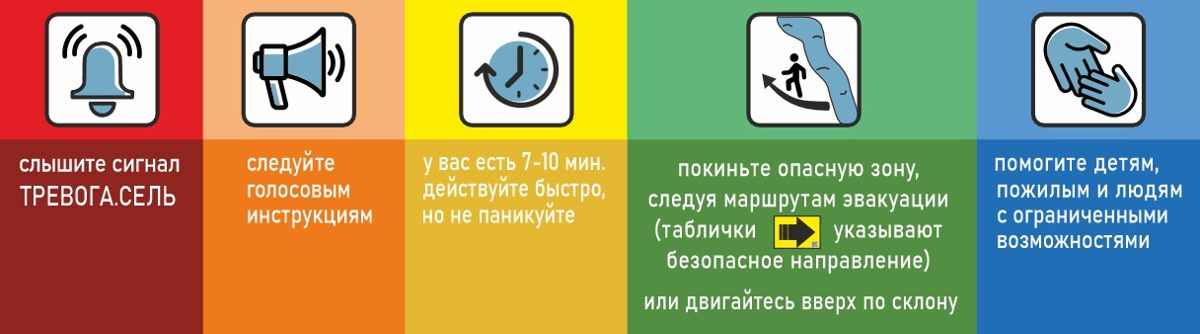
The Ala-Archa valley is exposed to mudflows caused by glacial lake outbursts. An early warning system is installed in the park: it detects the threat and tells people to evacuate immediately.
The siren is audible across the valley within the covered area.
Loudspeakers announce “Alarm. MUDFLOW”.
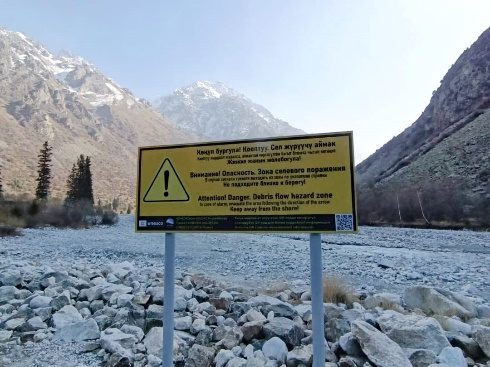
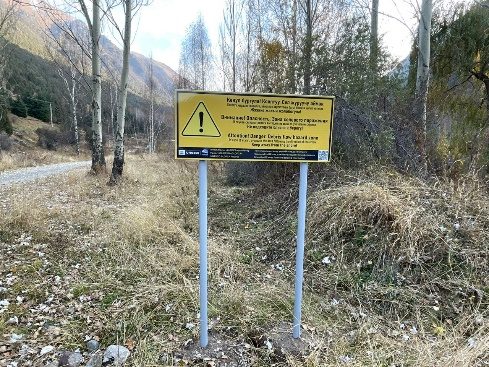
Black text on a yellow background in potentially dangerous zones.
If you hear the siren or the message “Alarm. MUDFLOW”, the system has detected a mudflow threat.
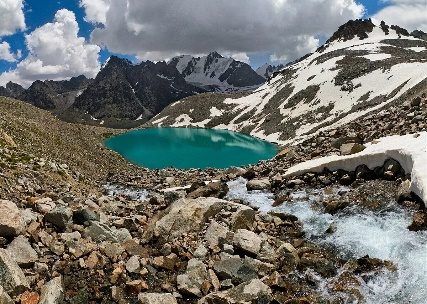
Why the danger exists
Glacial lakes in the upper park fill quickly as the glacier melts and can burst down the valley as a mudflow.

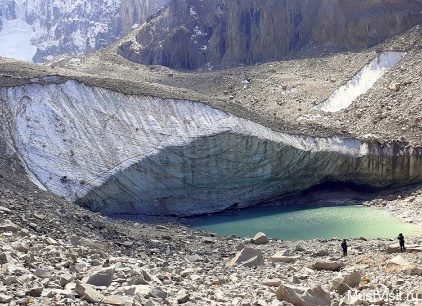
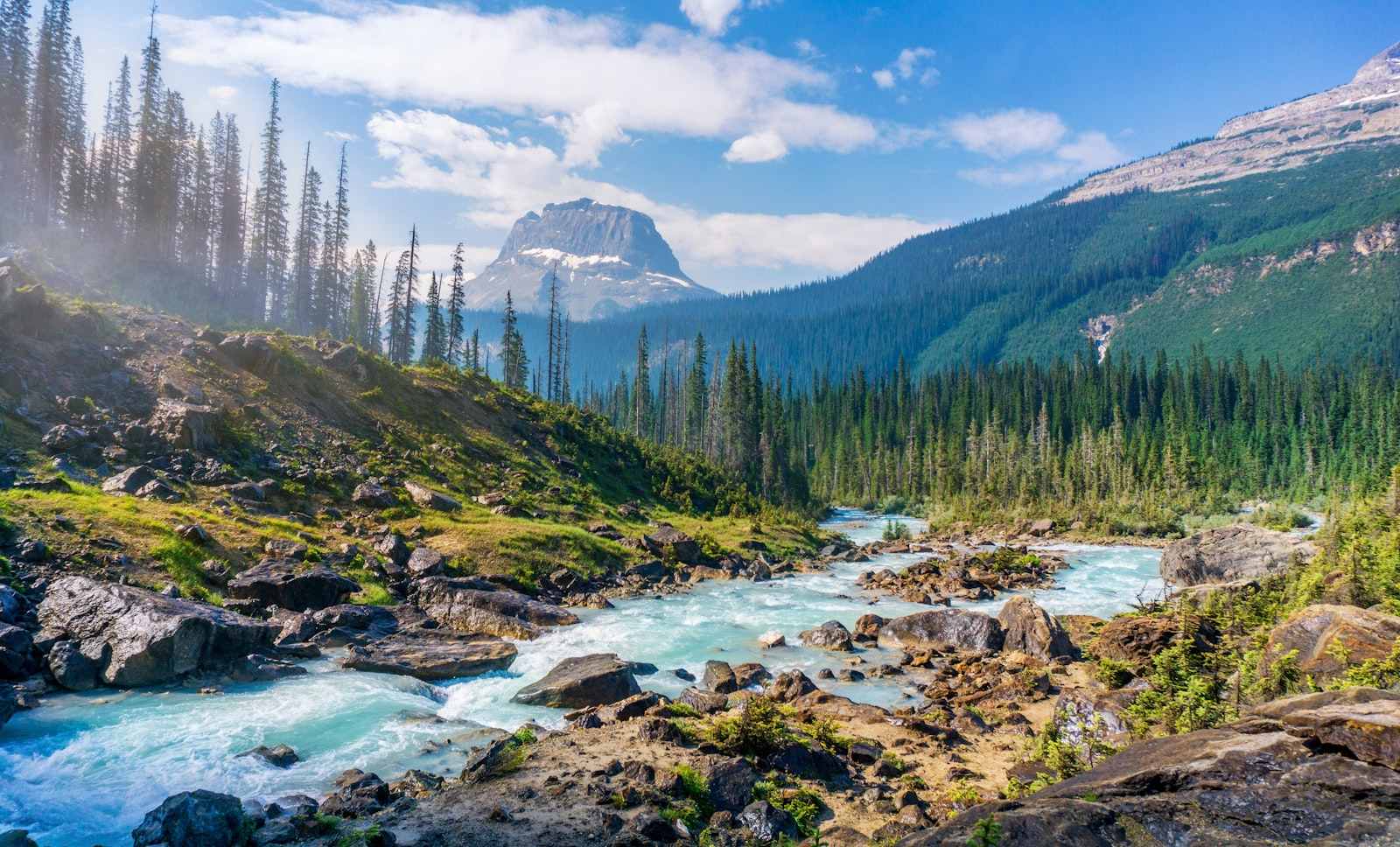
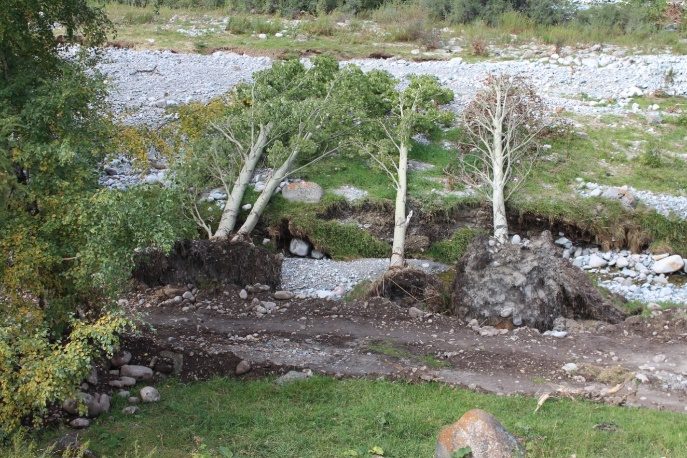
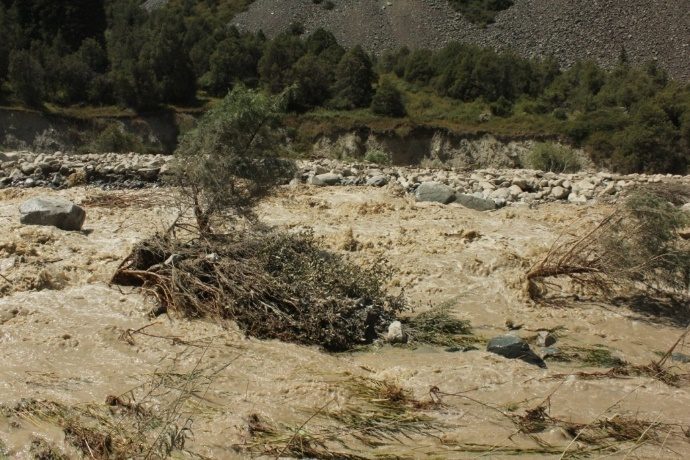
Traces left by mudflows in the park
Signs in the park
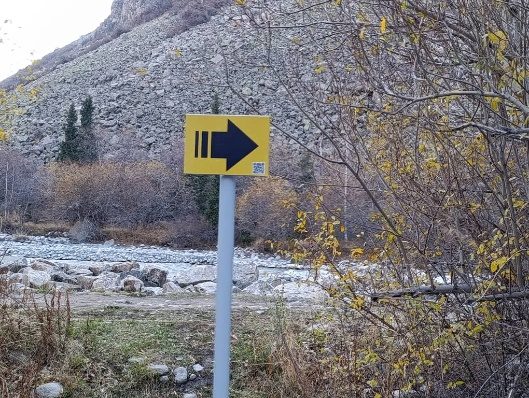
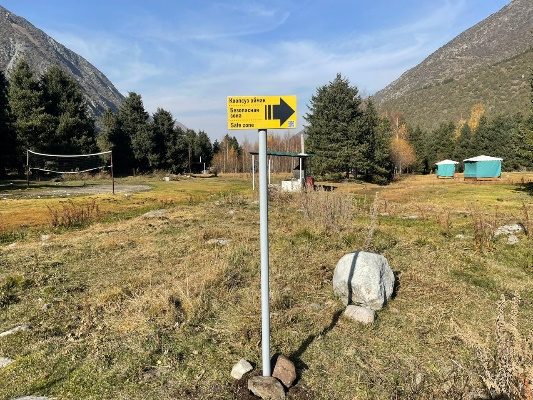
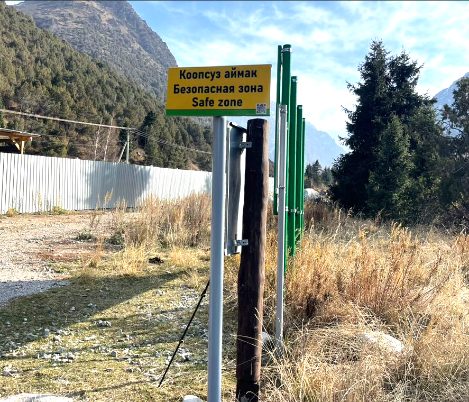
Yellow boards mark potentially dangerous zones. Signs with black arrows on yellow point to a safe direction; green ones mark a safe zone.
About the warning system
- The automated monitoring and warning system was installed in 2011 by the Institute of Water Problems and Hydropower of the National Academy of Sciences.
- A siren and a voice message are triggered when a mudflow threat is detected.
- In 2025 the system was modernised and extended under the GLOFCA project.
- The signal covers 1 km along the valley: 500 m up and down from the installation.
On 31 July 2012 the system triggered during the outburst of Tez-Tor lake in the upper Adygene. The timely signal allowed park staff, local residents and tourists to be evacuated. There were no casualties.
The GLOFCA project
The regional project “Reducing vulnerability of Central Asian populations to glacial lake outburst floods in a changing climate” is run by the UNESCO Regional Office in Almaty with funding from the Adaptation Fund, through 2027. It develops early warning, monitoring and public information, and strengthens safety in mountain areas.
More about the GLOFCA project