
Skip to content
Park is open
Visitors walking away from the camera along a paved forest road under tall spruce trees.
Infectious Diseases

How to protect yourself from tick-borne viral encephalitis

Tick-borne encephalitis is an acute viral infectious disease that mainly affects the central nervous system. During tick season, it is especially important to know where the risk is higher and what to do after a bite.

  • Risk season

    April to September, when tick activity is highest.

  • After a bite

    Immunoglobulin may be given within 72 hours if you seek care in time.

  • Main danger

    The disease may affect the central nervous system.

Risk Snapshot

A quick visual guide to key factors for faster decision-making.

  • Seasonal tick activity90%

    Peak months are usually April to September.

  • Importance of quick action78%

    The first 72 hours after a bite are critical.

  • Complication risk without care64%

    Early medical consultation is strongly advised.

Where the risk is higher

Natural foci of tick-borne viral encephalitis have been identified across all climate zones of Kyrgyzstan. The highest-risk areas include the spruce forests of Chon-Kemin, the Kyrgyz ridge of Kungey Ala-Too, and Teskey Ala-Too. Semi-desert foci connected with pasture ticks are also widespread, including Tokmok reserve, Kegety Gorge, Ala-Archa Gorge, the alpine camp area of Ysyk-Ata district, Tyup and Issyk-Kul districts, the Talas valley, the Fergana fringe, and the Naryn river floodplain.
Hotspots
  • Chon-Kemin, Kungey Ala-Too, Teskey Ala-Too
  • Ala-Archa Gorge, Kegety Gorge, Tokmok reserve
  • Ysyk-Ata, Tyup, Issyk-Kul, Talas valley, Fergana fringe, Naryn floodplain

How infection can happen

  • Through the bite of an infected tick: the virus may be transmitted within the first minutes of attachment through the tick saliva.
  • During visits to endemic areas such as forests, forest parks, garden plots, and mountain gorges.
  • When ticks are brought by animals such as dogs or cats.
  • Through raw milk from goats, sheep, or cows in affected areas, as well as dairy products made from it without boiling.
  • By crushing a tick or scratching the bite site if the virus enters damaged skin.

Seasonality and early symptoms

The disease is most common from April to September. The incubation period is usually 7-14 days, but it may range from 1 to 60 days.

  • Sudden onset, chills, and severe headache
  • Fever of 38-39 °C, nausea, vomiting
  • Muscle pain in the neck, shoulders, back, and limbs
  • Flushed face, sometimes spreading to the body

When to seek urgent medical care

If any of these symptoms appear after a tick bite or after visiting a risk area, medical care should be sought as soon as possible. The consequences may range from full recovery to disability or death.

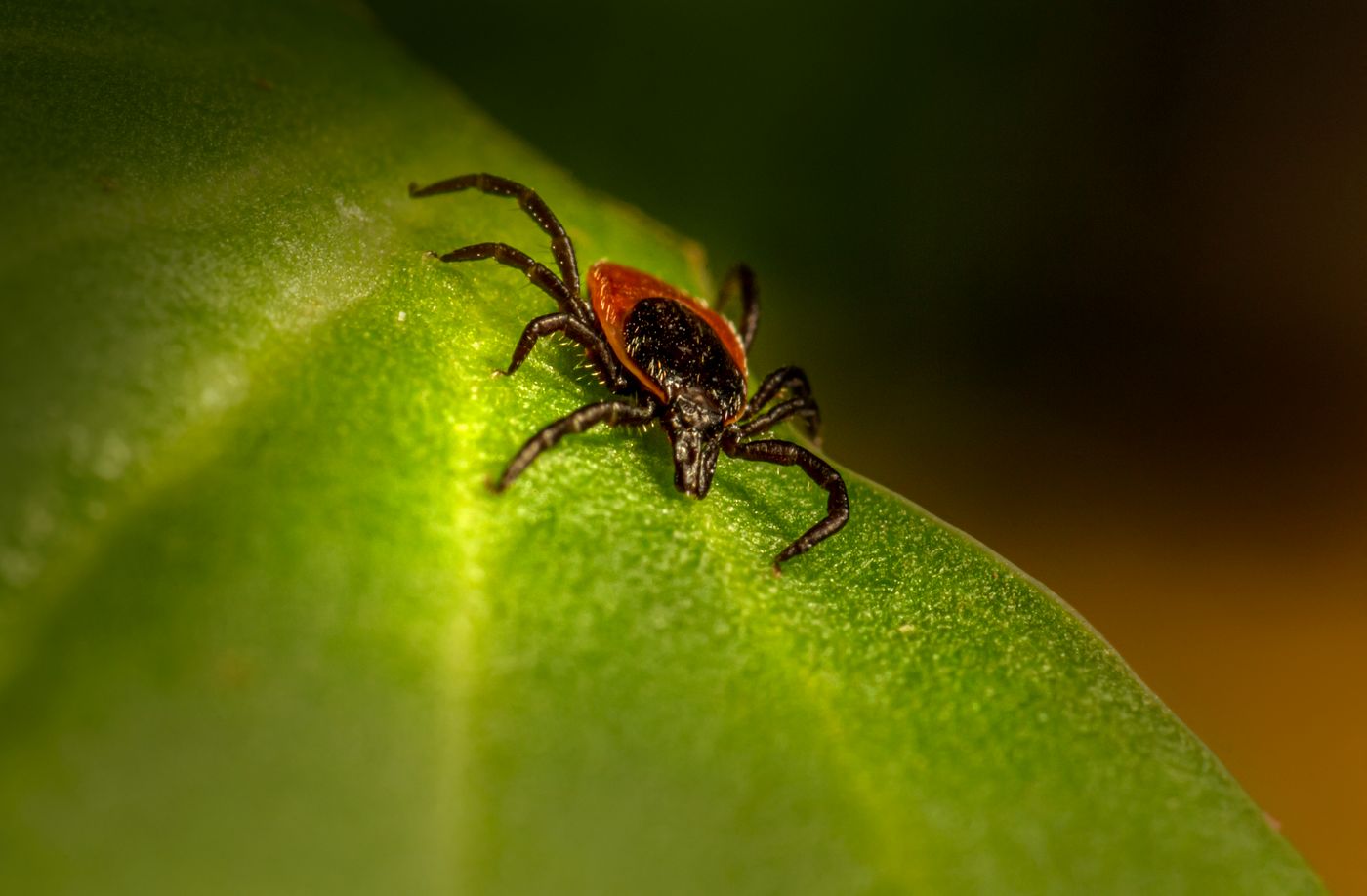
Tick on a green leaf in macro view
Ticks often wait on grass and leaves at lower-body level.
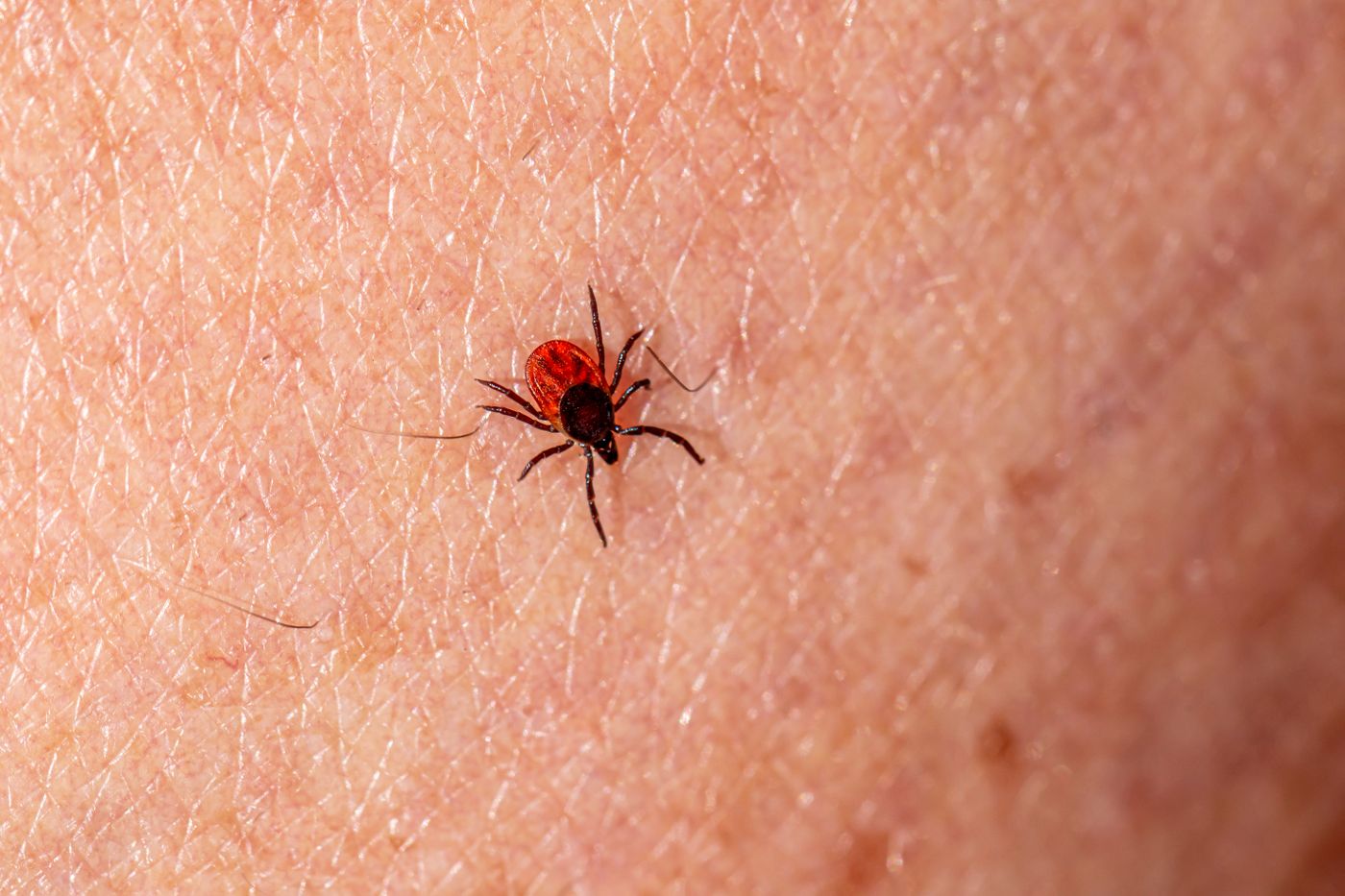
Tick attached to human skin, close-up
After a hike, inspect exposed skin and body folds immediately.
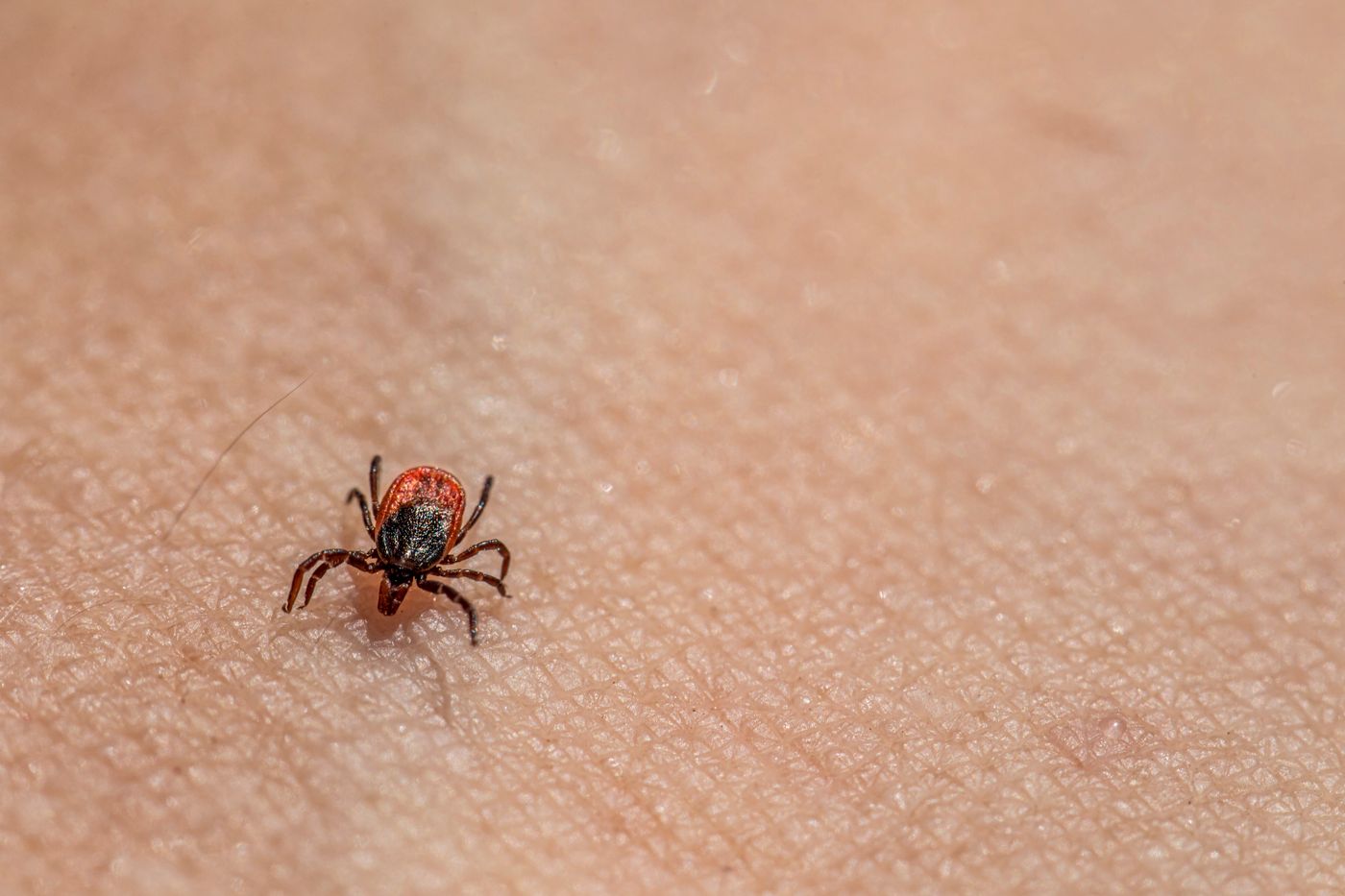
Detailed image of a tick on skin
The earlier you spot and remove a tick, the lower the complication risk.

After a Bite: Quick Action Flow

  1. 1

    Check the bite area

    Do not crush the tick or scratch the skin.

  2. 2

    Remove the tick safely

    Prefer a clinic, or use tweezers carefully.

  3. 3

    Disinfect and preserve

    Treat the skin and bring the tick for testing.

  4. 4

    Watch for symptoms

    Fever, pain, weakness - seek care immediately.

Monthly Risk Calendar

Stay especially alert in spring and summer.

Jan
Feb
Mar
Apr
May
Jun
Jul
Aug
Sep
Oct
Nov
Dec

Who is at risk

  • All people are susceptible to the infection regardless of age or sex.
  • The highest risk is among forestry workers, geologists, road and power line builders, surveyors, hunters, and tourists.
  • City residents may also become infected in suburban forests, park areas, and garden plots during work or recreation.

What to do if you are not vaccinated and a tick has attached

For unvaccinated people, seroprophylaxis may be used: human immunoglobulin against tick-borne viral encephalitis can be administered within 72 hours after an infected tick attaches. Timely contact with disease prevention centers, sanitary-epidemiological services, or family medicine centers is essential.

How to protect yourself

Non-specific prevention

  • Wear protective clothing: long sleeves, shirt tucked into trousers, and trousers tucked into socks and boots.
  • Cover your head and neck with a scarf, hood, or hat.
  • Use repellents on exposed skin and clothing according to the instructions.
  • Check your clothes and body regularly while outdoors and remove any ticks immediately.

Specific prevention

  • Preventive vaccination is recommended for people working in or traveling to endemic areas.
  • This is especially important for assigned workers, student construction teams, guides, and tourist groups.
Mountains and nature of Ala-Archa gorge

How to remove a tick correctly

  1. 1It is best to have the tick removed at a trauma unit or local clinic.
  2. 2If you remove it yourself, grasp it with tweezers or fingers wrapped in clean gauze as close to the mouthparts as possible.
  3. 3Hold the tick perpendicular to the skin, rotate gently around its axis, and remove it.
  4. 4Disinfect the bite site with alcohol, iodine, or another suitable antiseptic.
  5. 5Wash your hands thoroughly with soap.
  6. 6If a small black dot remains, treat it with 5% iodine and allow natural healing.

Where to take the removed tick

The removed tick should ideally be delivered for testing to a territorial center for disease prevention and state sanitary-epidemiological supervision. In Bishkek, you can contact the city center at 36a Baytik Baatyr Street or the Department of Disease Prevention and State Sanitary-Epidemiological Supervision at 535 Frunze Street.